Series Presented by Buttamane.Baseball — Words By Malik Chambers
My One-Sided Beef with “The Shredder”
It’s been almost a decade, and I still have beef with MLB Network’s Top Ten Right Now ranking system—The Shredder. According to Google, The Shredder is MLB Network’s “unbiased” player evaluation algorithm designed to rank the top-performing players at each position.
Heading into the 2016 season, The Shredder—along with the show’s analysts—revealed a list that made me question the algorithm altogether. It was their center field rankings, a marquee position that I, like many fans of the game, pay close attention to. Below is what The Shredder decided to shred.
- Mike Trout
- A.J. Pollock
- Lorenzo Cain
- Andrew McCutchen
- Jason Heyward
- Adam Eaton
- Kevin Kiermaier
- Randal Grichuk
- Carlos Gómez
- Adam Jones
A.J. Pollock over Andrew McCutchen? How do you rank a guy coming off his first great season over the 2014 NL MVP? I loathed this episode throughout my young adulthood, and to this day, I still have beef with it.
Nonetheless, what I love about this sport is that all lists, rankings, and player analyses are open for debate. The unique thing about baseball is that the “best” player is always open to interpretation, depending on which stats you value—unlike other sports, where the “greatest of all time” feels far more clear-cut.
In this series, I invite you to talk shit about my list. I’m a sensitive guy, but I’m also a self-described baseball masochist. Your opinion on a player (while wrong) genuinely excites me. It’s the nit-picky, overcritical nature of this game that sets baseball apart from every other American sport.
Playing GM: “My” Second Baseman
For this ranking system, we’ll take into account both traditional and underlying statistics to support the argument. Personally, I favor second basemen who are either elite at one specific skill or solid-to-good across the board. This might sound like a lazy description, but the second baseman on my team needs to either be the sum of all his parts or possess a standout trait that separates him from the rest.
Given that second base, in my opinion, allows for players to stick at the position while being merely average defensively in the infield, offensive versatility becomes critical for the keystone.
That said, defense will still factor heavily into these rankings—and the rest we cover. To me, defensive aptitude is what keeps players valuable as they age and bat speed inevitably declines. Take Marcus Semien, for example: even as his offensive production has taken a noticeable dip over the past two seasons, he continues to play nearly every game while ranking in the top percentile of second base defense well into his mid-30s. That level of reliability was valuable enough for David Stearns (New York Mets President of Baseball Operations) to trade his team’s longest-tenured player to acquire him.
Things to Keep in Mind
Future and Present Value: Players will not be ranked solely on what they’ve done in the current or previous season, but on what we reasonably expect from them moving forward.
For the Nerds – fWAR vs bWAR: For Wins Above Replacement, we’ll be using fWAR from FanGraphs in place of bWAR from Baseball-Reference. I prefer how FanGraphs incorporates more well-rounded defensive metrics, such as OAA (range), and leverages Statcast data—like Barrels, Hard-Hit Rate, and more—to paint a fuller picture of overall player value, both current and future. We won’t ignore traditional statistics like batting average and home runs, but make sure to keep the Fangraphs glossary tab handy!
This is my just my opinion (My very informed opinion.): I love ranking systems because they’re always up for debate. This list isn’t absolute and will evolve throughout the season and beyond, so don’t get butthurt if your favorite player isn’t here—or is ranked lower than you expected (like I was in 2016). Actually, I do get butthurt, because I enjoy talking ball.
Top Elevens | Just Missed
Before we get into the top ten, here are a few players who just missed the list. Second base in 2025 was particularly top-heavy, but several players who not too long ago appeared in the top ten of multiple sports publications either regressed or underperformed enough to fall just short.
Ozzie Albies
I’ve always been split on Ozzie Albies throughout his career, as he’s oscillated between above-average and All-Star caliber play. There’s no doubt the Atlanta Braves got their money’s worth, as Albies racked up over 150 home runs on a below-market, eight-year, $33 million deal.
What hadn’t fluctuated—until this year—was his ability to be productive when he was on the field. Prior to 2025, Albies posted a wRC+ of 100 or better (with 100 being league-average offense) in every season in which he played at least 140 games. This marked the first time we’ve seen Albies struggle on both offense and defense while still logging over 150 games (.240/.306/.365).
Heading into his walk year, I’m interested to see how he adjusts at the plate moving forward. What’s encouraging is that he raised his walk rate from 6% in 2024 to 8% in 2025 while keeping his strikeout rate in check. He’s still just 28 years old at the time of this writing, so a return to his 30-home-run form isn’t out of the question.
Marcus Semien
This one actually hurts. Despite the offense taking another step back, I thought Marcus Semien still had a solid season at second base. The former Rangers second baseman turned in poor surface-level offensive results, but his underlying batted-ball data, according to Statcast, remained oddly consistent.
Sure, most GMs wouldn’t pay a 34-year-old second baseman $24 million per year for the season Semien just had. But beneath the results, his normalized bat speed and hard-hit rate were paired with a .251 BABIP (batting average on balls in play). Semien has squared up the ball consistently throughout his career, yet has also run persistently below-average BABIP numbers—suggesting a long track record of bad luck.
The aging curve has caught up to him, but not as steeply as many would suggest. His 35% hard-hit rate in 2025 was in line with his career averages, including seasons in which he cleared 30 home runs. He doesn’t strike out, and his baserunning and defensive value remain elite.
Still, as Buck Showalter mentioned on Foul Territory, it’s strange to see two team captains—Brandon Nimmo and Semien—essentially swapped for one another. Honestly, it’s refreshing to see major leaguers traded for other major leaguers instead of minor leaguers or the perpetual top-ten prospect known as “cash considerations.”
The Others
Colt Keith: Listed as a second baseman by name only. A value bat first utility corner infielder and is displaced by Gleyber Torres
Tommy Edman: Another injury-marred season, resulting in poor results at the plate. I’m also not sure if he’s a second baseman or a true utility piece. His recovery from ankle surgery will determine where he plays going forward.
Jorge Polanco: He would be square on this list if he played more second base instead of the majority of games at dDesignated hHitter. With multiple lower-half injuries at age 32, Jorge looks to be slated for a similar role that Wilmer Flores had with the Giants — – DH who plays fill-in at 2nd and 3rd to rest his teammates.
Lenyn Sosa: 22 homers is extremely attractive. A 3% walk rate is not.
Chase Meidroth: I think he has all the tools to rank on this list, but needs to be consistent on all parts of his average play (offensively/defensively) to start games for a competitive White Sox roster.
Jose Altuve: Altuve is still a quality major league hitter, but I can’t confidently say that he is a sure-shot second baseman anymore. He spent roughly a third of his games at the keystone due to injuries across the roster, and nearly 100 games at left field and DH.
Ernie Clement: Utility infielder with enough games at multiple positions. He’s ineligible for this list because his positional versatility makes him overqualified.
Jeff McNeil: Played a lot of second base, but he also filled in at centerfield more times than I’m comfortable with.
Top Ten
10. Jake Cronenworth
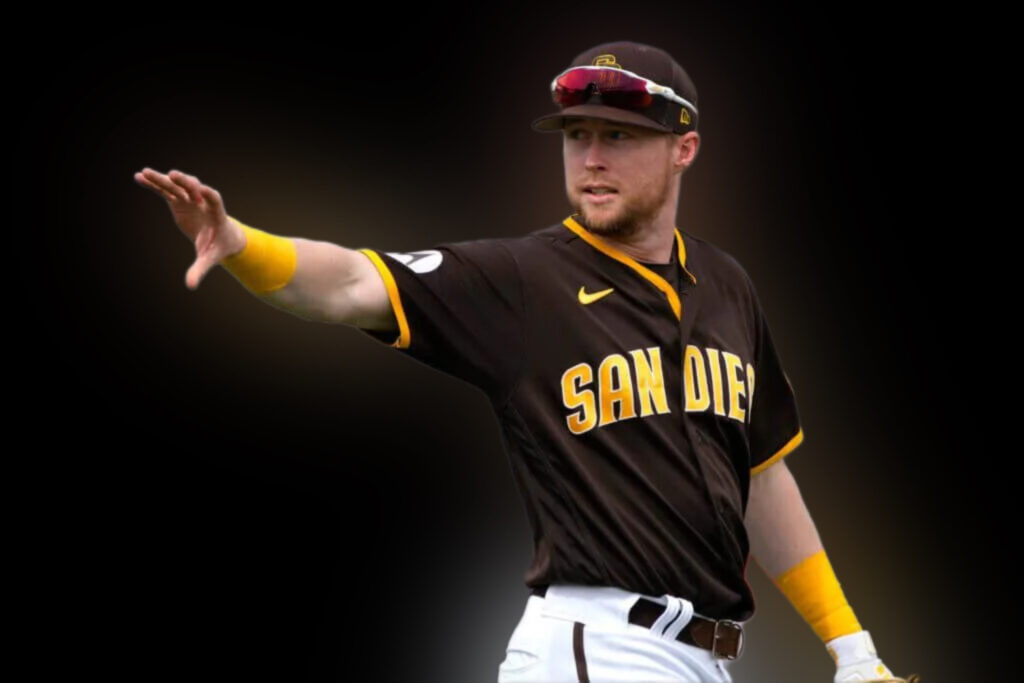
| Player | AVG/OBP/SLUG | HR | WRC+ | fWAR | OAA |
| Jake Cronenworth | .246/.366/.377 | 11 | 117 | 2.9 | -1 |
Jake Cronenworth walked at a 13.4% clip, second among all second basemen, and ranked first in hit-by-pitches (HBP) with 15.
On the surface, Jake Cronenworth had one of the more productive seasons among second basemen this year. By WAR, he was objectively better than Gleyber Torres defensively, while also showcasing real versatility around the diamond. The other side of the story, though, is that Jake might be one of the scrappiest players I’ve ever seen consistently accrue value over the course of a season.
He was hit by 15 pitches– —top ten in the league– —walks at an elite rate, and carries a strikeout rate of just 20%, comfortably better than the league average (22%). Cronenworth’s value comes from his willingness to grind out plate appearances and punish mistakes by simply not giving away outs.
What’s unfortunately working against him is that his power outlook continues to fade in a hitting environment that doesn’t reward weak contact. His slugging percentage has declined steadily over the past several seasons and hasn’t cleared .400 since his 2021 Linsanity run. I still project him to be a productive player, but if he wants to extract more value from a power-sapped offensive profile, he’ll likely need to shave down the strikeouts even further and lean harder into elite on-base skills.
9. Gleyber Torres
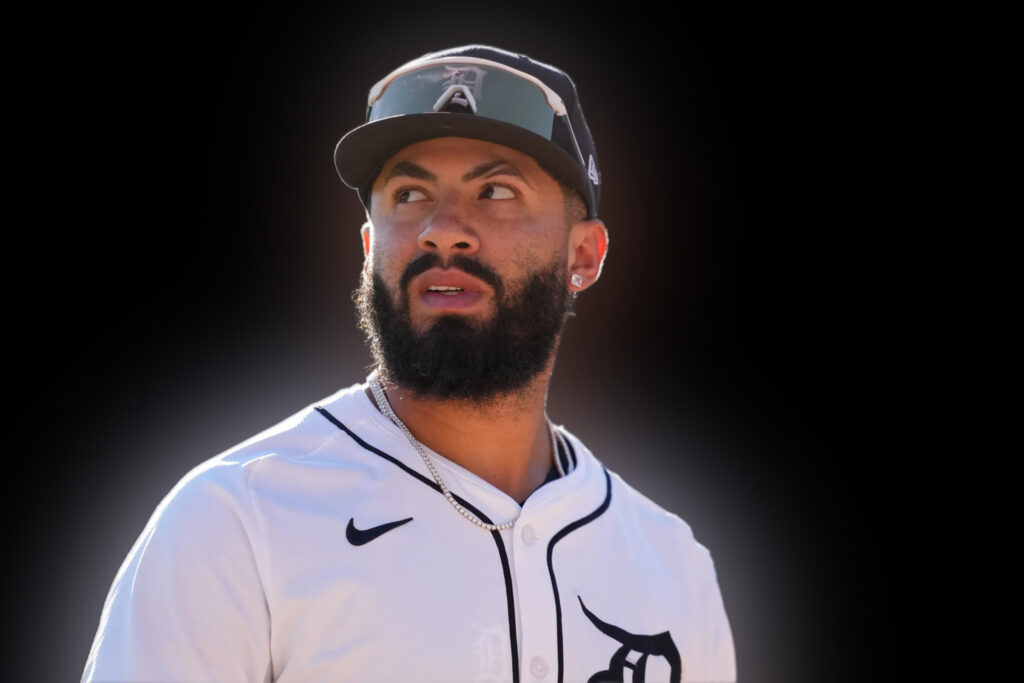
| Player | AVG/OBP/Slug | HR | WRC+ | fWAR | OAA |
| Gleyber Torres | .256/.358/.387 | 16 | 113 | 2.6 | -4 |
Gleyber Torres led all second basemen in walk rate (13.5%) and ranked 11th overall in MLB in 2025.
Gleyber Torres’ evolution as a player is difficult to pin down. Finishing a second round of free agency before age 30 isn’t all that uncommon, and while he hasn’t fully reached his early superstar ceiling, he’s at least lived up to the floor of his once-lofty prospect billing.
Torres has multiple 24+ home run seasons on his résumé, but the last two years have shown a clear decline in power production from a counting-stats perspective. Despite that, he remains one of the most disciplined hitters in baseball, walking at a 13.5% clip while striking out just 16% of the time in 2025. Still, the power drop is real, with only 15 and 16 home runs in back-to-back seasons. He’s no longer the quick-twitch athlete he once was, which shows up defensively on a night-to-night basis.
With that in mind, accepting the $22.05 million qualifying offer from the Tigers this offseason made sense. Honestly, I don’t blame him. Gleyber will continue to get on base, make excellent swing decisions, and help curb the swing-and-miss issues that have plagued Detroit’s lineup. While he’s no longer a 30-plus home run threat, pitchers respect his eye enough to avoid serving up meatball hoagies over the heart of the plate.
That respect is earned. Torres ranks in the top percentiles in chase rate, walk rate, and whiff rate. His expected slugging percentage (.453) far outpaced his actual .387 output, suggesting his new hitting environment played a role in suppressing results. I expect Gleyber to make further adjustments, better optimize his exit velocity, and walk his way into another 2–4 WAR season in 2026.
8. Xavier Edwards
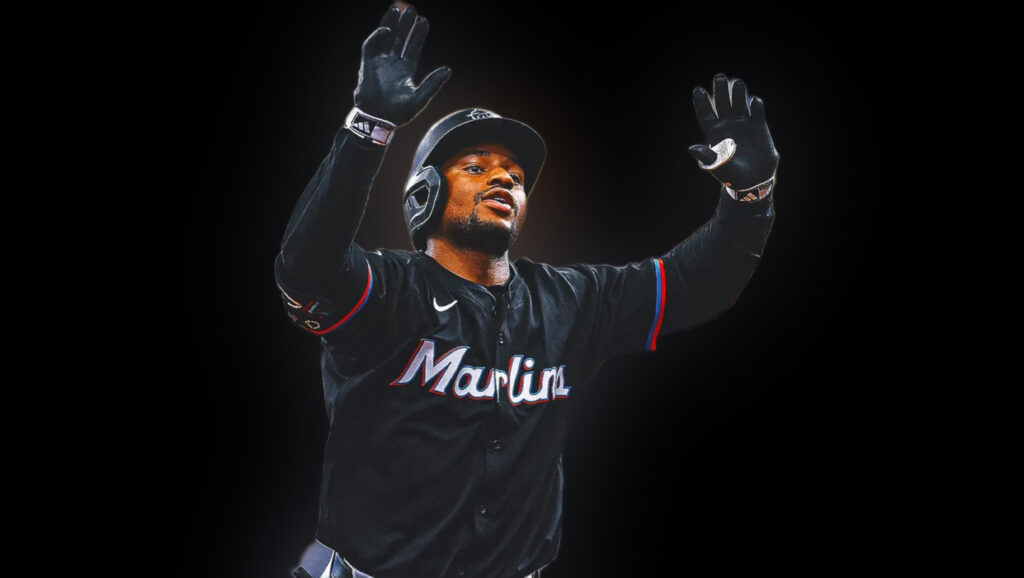
| Player | AVG/OBP/Slug | HR | WRC+ | fWAR | OAA |
| Xavier Edwards | .283/.343/.353 | 3 | 95 | 2.5 | -4 |
Xavier Edwards hit .356 with runners in scoring position.
The Luis Arraez trade in 2024 continues to pay dividends for the Miami Marlins. Xavier Edwards—no stranger to the hot stove—was the infamous “slap-d*ck prospect” Blake Snell once referred to when the Rays traded Tommy Pham to the Padres (a comment Snell later apologized for). The Marlins’ head honcho Peter Bendix, who was part of Tampa Bay’s front office at the time, oversaw Edwards’ development in the minors and clearly believed in the skill set.
The Marlins valued Arraez’s bat, but they wanted a player who could give them more. Both players boast career in-zone contact rates above 93%, play second base, and profile as on-base–oriented leadoff hitters. Edwards doesn’t have Arraez’s Hall-of-Fame-level 3% strikeout rate, but he still hardly whiffs (14%, well below league average), walks more, and chases fewer pitches outside the zone.
Where Edwards clearly separates himself is with his defense and efficient baserunning. The Marlins wisely moved him from shortstop to second base midseason, where his defense jumped from a brutal -12 OAA at short to a stellar +7 OAA at the keystone. His overall defensive numbers were dragged down by playing out of position, and his whippy infield arm plays far better at second anyway.
Edwards also tripled his home run output year over year (yes, from one to three—but still). While power isn’t his calling card, he was clutch, hitting .356 in high-leverage situations with runners in scoring position. He’s not your prototypical cleanup hitter, but he’s selective, sprays efficient line drives, and remains an endlessly annoying at-bat for opposing pitchers. Players like X are bringing that old-school middle infield swagger back to baseball.
7. Bryson Stott

| Player | AVG/OBP/SLUG | HR | WRC+ | fWAR | OAA |
| Bryson Stott | .257/.328/.391 | 13 | 100 | 3.1 | 7 |
Bryson Stott recorded his third consecutive season with double-digit home runs and 20+ stolen bases.
Bryson Stott is the type of second baseman you can pencil in for 2–4 WAR every season. He’s consistently solid across the board—decent offense, strong defense, and real value on the bases. He operates at just above-average level in almost every facet, without one tool fully separating itself.
His power tends to show up more through hard line drives than towering fly balls, though that isn’t due to a lack of intent. In fact, Stott increased his fly-ball rate from 36% to 40% last season while maintaining league-average exit velocity.
It was clear Stott tried to tap into more power this year, with middling but respectable results. Thirteen homers came with maximum effort. Playing next to sluggers like Bryce Harper and Kyle Schwarber may have rubbed off on him, but I think Stott is best served as the lineup’s line-drive savant and ball-getter. In other words, the WAR will come from everything else, with homers as the cherry on top.
The power is nice, but it feels like the last piece of his game that will arrive with time and physical maturity. Stott is brushing up against his ceiling—and if it all clicks, I wouldn’t be shocked to see him crack the top five.
6. Brandon Lowe
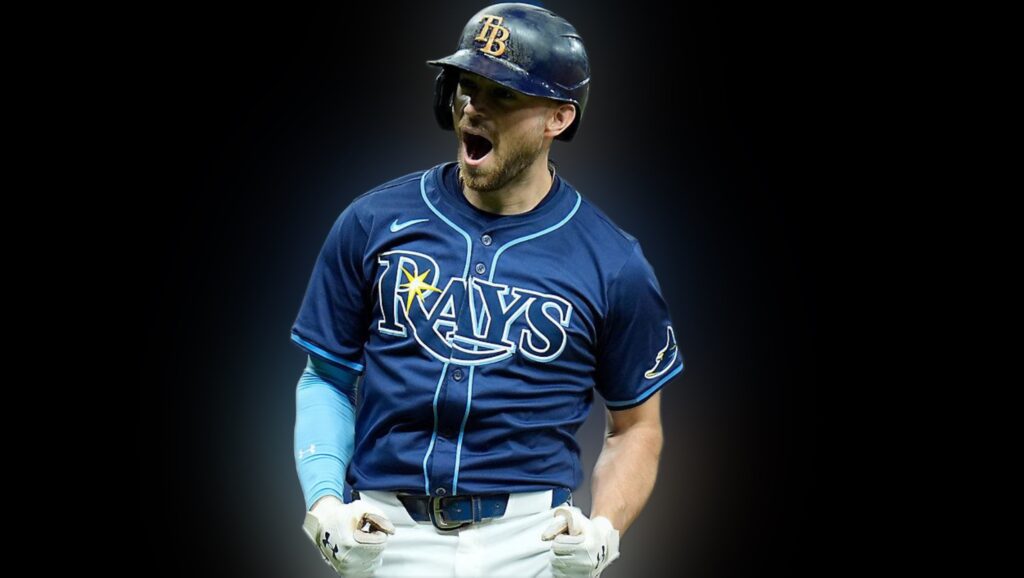
| Player | AVG/OBP/Slug | HR | WRC+ | fWAR | OAA |
| Brandon Lowe | .256/.307/.477 | 31 | 114 | 1.7 | -4 |
Brandon Lowe tied for second among all second basemen with 31 home runs in 2025.
Brandon Lowe has been a steal for the Rays. He’s crushed over 150 career homers in Tampa Bay while providing infield stability on a roster constantly churning for marginal value. Pound for pound—listed at 5’10”, 190 lbs—Lowe may possess the most raw power of any second baseman, rivaling names like Ketel Marte. Nearly 39% of his hits went for extra bases in 2025.
What’s been uncharacteristic the past two seasons is that while the power remains intact, his on-base ability has slipped. From 2020–2023, Lowe walked at an above-average 11% clip. That number dropped to 7% over the past two seasons, which hurts given his 27% career strikeout rate.
Add declining speed and deteriorating defense, and you start to see why his value has narrowed. To be blunt, the hands have gotten heavy. His defense went from fringe-playable to borderline DH-only in 2025. Still, power like this keeps you employed. As long as Lowe can make the routine plays, his bat alone makes him one of the most underrated power threats at the position—future DH destiny notwithstanding.
5. Brendan Donovan
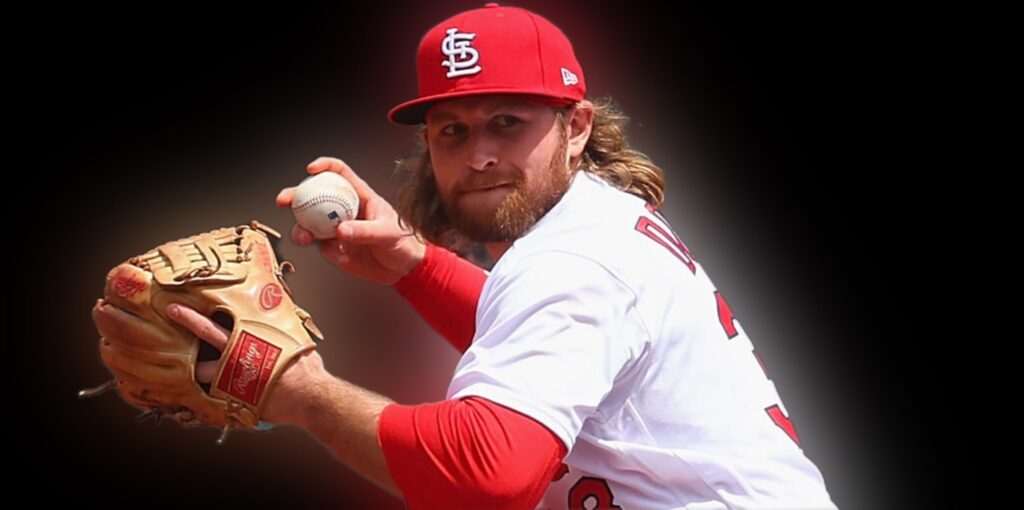
| Player | AVG/OBP/Slug | HR | WRC+ | fWAR | OAA |
| Brendan Donovan | .287/.353/.422 | 10 | 119 | 2.9 | -1 |
Brendan Donovan has posted a 14% or lower strikeout rate, double-digit home runs, and a 115+ wRC+ in three straight seasons.
Brendan Donovan might be too slightly above average at everything for his own good—especially playing in St. Louis. He was boxed into a super-utility role behind Arenado, Goldschmidt, and Contreras, but with two of those names gone (and Arenado’s status uncertain), Donovan emerged as an everyday second baseman.
“Reliable” undersells it. He rarely whiffs, puts the ball in play consistently, and plays competent defense all over the diamond. He was also a road warrior in 2025, hitting .303 away from home versus .270 at Busch Stadium.
Left-on-left matchups expose him somewhat, but he’s far from unplayable—and he muckbangs right-handed pitching, posting a 140 wRC+ against them. That puts him in the same neighborhood as Freddie Freeman, Fernando Tatis Jr., Kyle Tucker, and Ben Rice against the majority of arms he faces.
Donovan has outworked every expectation placed on him. I don’t think the Cardinals expected him to be their most valuable trade chip this offseason, but here we are. In a league obsessed with extremes and volatility, Donovan is a breath of fresh air: a ballplayer’s ballplayer who simply gets the job done.
4. Brice Turang
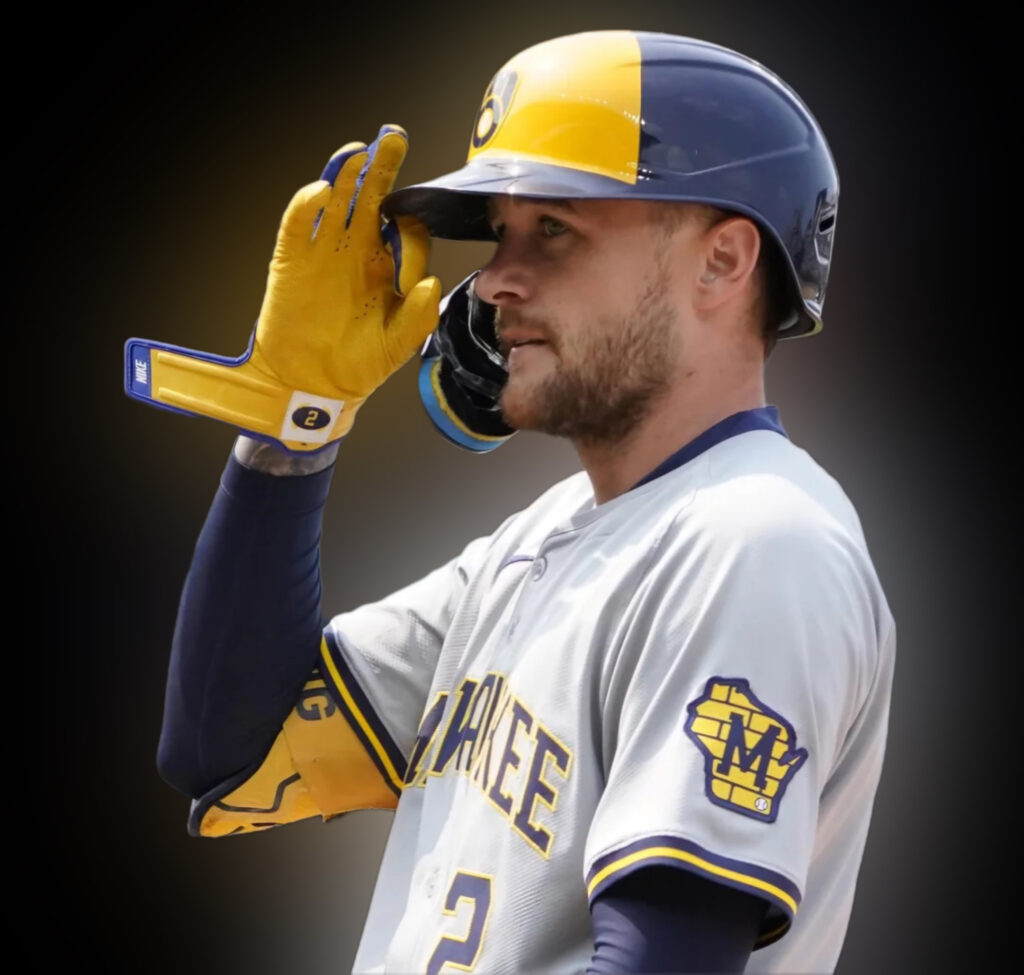
| Player | AVG/OBP/Slug | HR | WRC+ | fWAR | OAA |
| Brice Turang | .288/.359/.435 | 18 | 124 | 4.4 | -1 |
How does a player go from literally weakest hitter in baseball to a legitimate power threat in one year? Brice Turang made real, tangible changes — and the results speak loudly. Despite looking like a Slim Jim on TV, there’s legitimate juice in his bat.
Turang consciously hunted power, and unlike Stott, his lineup needed it. The Brewers don’t win the NL without him finishing third on the team in homers behind Contreras and Yelich.
From 2023–2024, Turang ranked near the bottom in hard-hit rate, barrel rate, and exit velocity. In 2025, Bruce Banner became the Hulk: his barrel rate jumped to 8%; his hard-hit rate surged from 29% to 47%; and suddenly the outcomes followed. He also hit .368 with runners in scoring position, further cementing the legitimacy of his breakout year. What convinces me most? He didn’t completely abandon his approach and sell for pull power. Many of his hardest-hit balls went to the opposite field—a sign of real strength.
While his defense dipped slightly from Platinum Glove level to merely above average, that feels like a trade-off worth making. If all things align for Turang, his newfound success at the plate should be sustainable. I could also be wrong (Andres Gimenez in Cleveland). Nonetheless, Turang added a power to his arsenal, and that will pay dividends for years.
3. Nico Hoerner
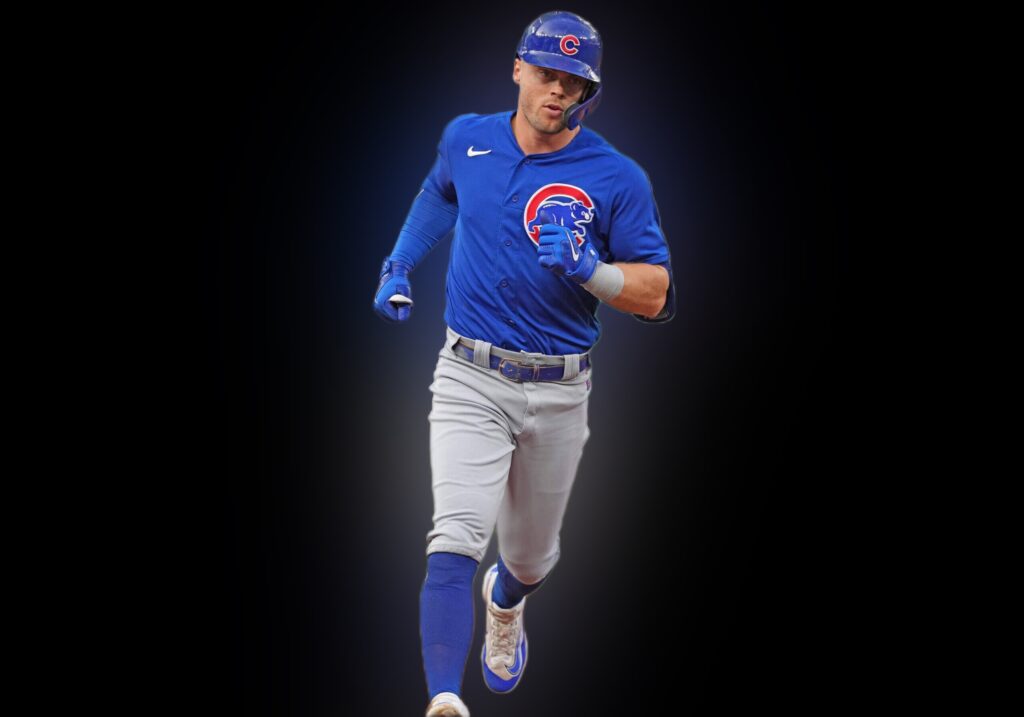
Nico Hoerner hit .371 with runners in scoring position. He also lead all second basemen in Outs Above Average.
Nico Hoerner feels displaced in time. Drop him into a different era, and he’s an MVP candidate. Contact, speed, defense—pure middle infield excellence.
Power isn’t his thing, but everything else is elite. He finished with the third-fewest strikeouts among qualified hitters in 2025 and ranked in the 97th percentile in baserunning value. He walks rarely, but relentlessly puts pressure of defenses.
Calling him a defensive savant almost undersells it. Fifteen OAA mirrors seasons put up by Andrelton Simmons. Nico plays like a man who’s completely pissed that he’s been moved off of shortstop, and he takes it out on every ball he charges at on the infield. If Swanson weren’t locked in at shortstop, Nico might impact the Cubs even more there.
He finishes third because the two players above him overwhelm him offensively—and because this may be his peak. That’s not an insult. Any player hitting .370+ in leverage situations without middle-of-the-order protection is terrifying.
2. Jazz Chisholm Jr.
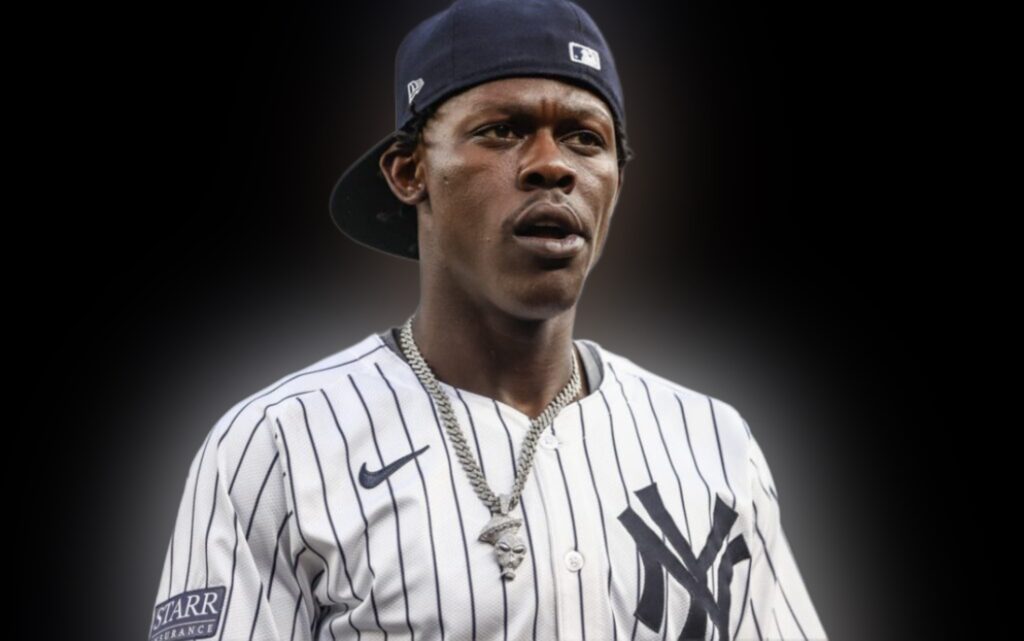
| Player | AVG/OBP/Slug | HR | WRC+ | fWAR | OAA |
| Jazz Chisholm | .242/.332/.481 | 31 | 126 | 4.4 | 7 |
Jazz Chisholm became the first Yankee to post a 30-homer, 30-steal season since Alfonso Soriano (2003).
Don’t let the batting average fool you—Jazz Chisholm, Jr. just delivered one of the most valuable seasons by a Yankees second baseman since Robinson Cano (sorry, Gleyber). I still maintain my half-serious conspiracy that the Miami Marlins are a ghost-operated farm system funneling already-developed talent to the Yankees, and Jazz is a living, breathing case study.
Since arriving in the Bronx midway through 2024, Jazz has played 176 games in pinstripes, slugging 41 home runs while swiping over 50 bags. Say what you want about his off-the-field interviews – or what the haters call “antics”– but any quarter-zip-wearing GM from a so-called model organization will gladly take this level of production over a full season.
Jazz checks most of the prototypical second base boxes, and his defense noticeably improved once he moved away from the awkward third base experiment early in his Yankees tenure. His plate skills can be inconsistent, but when he’s locked in, the results are explosive. He posted a 15% barrel rate in 2025, leading all second basemen, and he wasn’t a liability against same-handed pitching either—finishing with a higher average against lefties than righties.
That league-leading bat speed (yes, how fast a fella swings the bat) shows up everywhere. Jazz gets the foot down early against southpaws, contorts his body at ridiculous speeds, and turns borderline pitches into damage. The trade-off is strikeouts, which he partially mitigates by walking at a healthy clip.
There’s also an undeniable aura element to Jazz’s game—sometimes to his detriment. He’s been rung up on more than his share of questionable called third strikes, and while that’s subjective, just watch how he’s umpired compared to his peers.
For Jazz to be number one, the path is simple but difficult: fewer strikeouts and a more refined two-strike approach. In 2025, he passed the eye test with consistently tough at-bats and forced pitchers to respect every inch of the zone. His chase rate is average, but when that tightens up, we may be looking at a truly elite hitter. Jazz would be the first to tell you he’s the best player in the game — and behind closed doors, I’d bet he believes the gap is smaller than people think.
1. Ketel Marte
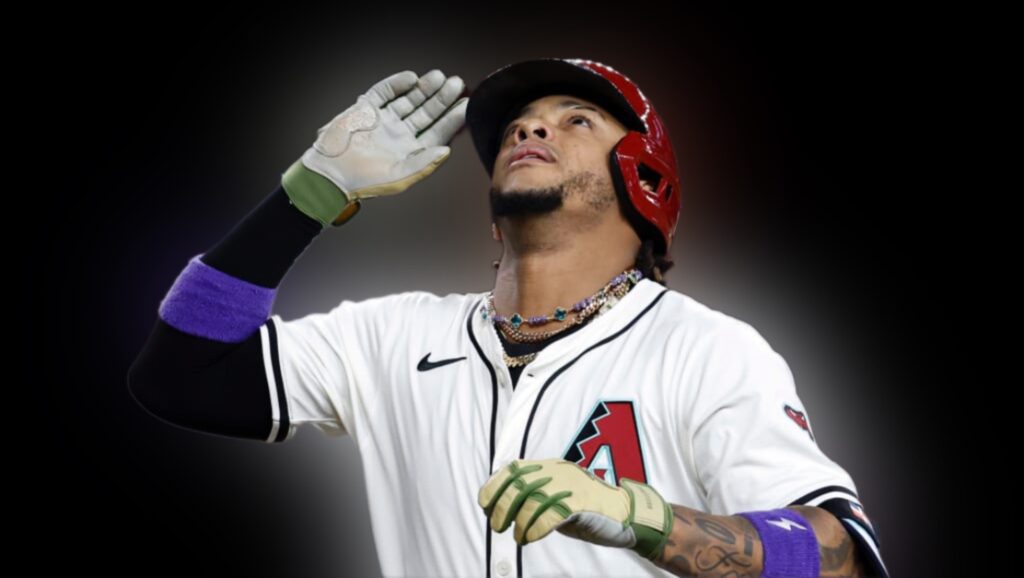
| Player | AVG/OBP/Slug | HR | WRC+ | fWAR | OAA |
| Ketel Marte | .283/.376/.517 | 28 | 145 | 4.6 | 15 |
Ketel Marte has cleared 25 home runs while posting a 120+ wRC+ in three straight seasons.
Diva allegations be damned — Ketel Marte is hands down the best second baseman in Major League Baseball right now. I’m still trying to figure out which lamp the genie came out of that granted him these powers. Once a highly-touted shortstop prospect in the Seattle system, Marte has evolved into one of the most impactful hitters in the sport since being traded to Arizona (a legitimately great trade on both sides—Jean Segura was a Dawg on the field).
Much like his switch-hitting Dominican counterpart José Ramírez in Cleveland, Ketel has consistently paced his team in home runs, RBIs, and batting average. Statcast suggests he could’ve been even better in 2025—his expected batting average and slugging both outpaced his actual results. His .291 BABIP supports the idea that Marte consistently hits the ball at optimal exit velocities and launch angles, even if defenders stole a few potential base hits. That’s baseball.
Like Brendan Donovan, Ketel bounced around defensively when he settled at second base. With consistent reps at one position, he’s elevated himself from subpar to clearly above average at the keystone. At times, his on-field production dips from elite to merely average, which I mostly attribute to the accumulation of injuries and the grind of playing at Arizona’s elevation as a perennial All-Star.
He’s no Barry Allen on the bases,; but when you hit the ball like Clark Kent, you don’t need to stretch singles into doubles. His nearly 14% barrel rate trailed only Jazz Chisholm among second basemen, even though Jazz hit three more home runs while playing more games.
Controversy gurgled up when reports surfaced about tension in the Diamondbacks clubhouse, with some players allegedly frustrated by how much time Ketel spends off the field. But what can’t be ignored is his commitment to winning — and the production he delivers when he is on the field. As Geraldo Perdomo defended in a postgame interview, I’ll ride for a “diva” like Ketel until the last sword swing. This kind of output is not easily replaceable.
Is he receiving special treatment? Maybe. But that’s the cost of having a baddie on your roster—and it’s a price the Diamondbacks (and plenty of other teams) are more than willing to pay.
Writer’s Note: At the time of publishing, Bo Bichette remains a free agent at shortstop. League speculation suggests he’s open to a move to second base depending on team demand. Bichette played through a leg injury during the 2025 World Series with Toronto, reinforcing a reputation for putting the team first. That said, it’s no secret that front offices are skeptical about his long-term defensive fit at shortstop, and his market will ultimately dictate where he lands.
If Bichette does transition to second base, he would slot somewhere between 2–4 on this list after a quick reshuffle.